Exploring Organics with Maggie Campbell Pedersen: A Deep Dive into the World of Gems by Gem Central (Featuring FGA and ABIPP)
In the world of gemstones and organic materials, understanding the unique characteristics of various types is essential for both collectors and enthusiasts. This article will delve into the key differences between various ambers, ivory, and tortoiseshell, shedding light on their origins, properties, and notable features.
Firstly, let's explore the realm of amber. Amber, a fossilised tree resin, comes in several types, each with its distinct traits. Baltic Amber, originating from the Baltic region, is approximately 44 million years old and is known for its honey-yellow to deep orange hues. It often exhibits a more opaque or cloudy texture and contains abundant fossil inclusions of insects and plants, making it a popular choice for jewelry and scientific study.
On the other hand, Dominican Amber, hailing from the Dominican Republic, is around 15-20 million years old. It is renowned for its bright yellow, orange, blue, or greenish hues, as well as its transparency and clarity. This amber type is prized for its exquisite fossil preservation visibility and wide range of colors, including rare blue amber, which is clearer and more brilliant than Baltic Amber.
Mexican Amber, around 22-26 million years old, is primarily found in Chiapas, Mexico. It boasts golden to reddish tones and is transparent, with a rich fossil content. Australian Amber, though less abundant, is approximately 12 million years old and has a lower melting point than other varieties, making it less durable.
Burmite (Burmese Amber), dating back to the Cretaceous Period (99 million years ago), is one of the oldest ambers. It is primarily found in Myanmar and can occur in a true red color, which is quite rare among ambers.
It's equally important to distinguish between different types of ivory, such as walrus and elephant ivory. For dealers, spotting synthetics and heat treatments is crucial, and a specific gravity test can help confirm authenticity. Opaque red amber does not exist, and it is essential to be aware of this fact when considering purchases.
Tortoiseshell, taken from marine turtles like the hawksbill turtle, loggerhead turtle, and green sea turtle, is another organic material of interest. However, it's important to note that all species of turtles used for tortoiseshell are endangered, and the sale of new tortoiseshell is illegal in many countries. Carbon dating cannot reliably date an item made from tortoiseshell; it only indicates when the turtle died.
In conclusion, the differences between Baltic, Dominican, Mexican, Burmite, and Australian amber lie in their age, origin, color, transparency, and inclusions, due to the varying geographic and geological conditions in which they formed. Understanding these differences adds a layer of depth to the appreciation of these fascinating gemstones.
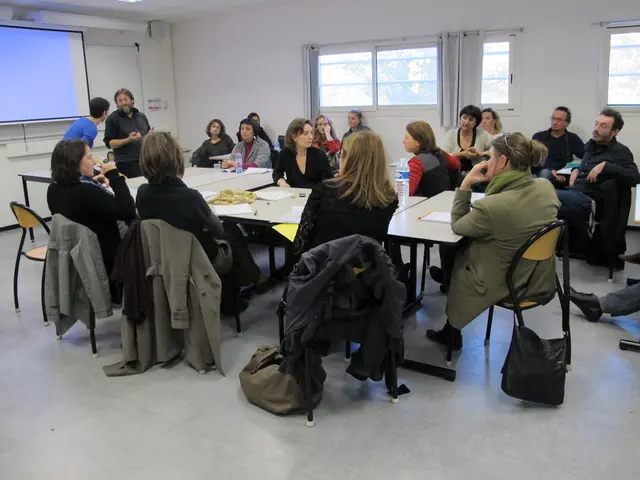
For those interested in learning more about organics, events like Maggie Campbell Pedersen's Gem Central evening offer valuable opportunities to engage with experts and fellow gemmology enthusiasts. Maggie Campbell Pedersen, author of Gem and Ornamental Materials of Organic Origin and Ivory, was appointed Gem-A president last year and delivered an informative talk on organics at Gem Central. Her evening also provided attendees with the chance to examine samples.
As we delve deeper into the world of gemstones and organic materials, it becomes increasingly clear that each type has its unique story to tell. Whether it's the age-old mystery of amber or the endangered allure of tortoiseshell, there's a wealth of knowledge and wonder to be found in these extraordinary materials.
- Science, especially gemmology, uncovers unique characteristics of various ambers, ivory, and tortoiseshell, essential for both collectors and enthusiasts.
- The realm of amber is vast, with several types displaying distinct traits; Baltic amber, for instance, features honey-yellow to deep orange hues.
- Dominican amber, originating from the Dominican Republic, isrenowned for its transparency and clarity, with exquisite fossil preservation visibility.
- In the world of gemstones and organic materials, understanding the differences between ivory types, such as walrus and elephant ivory, is crucial for dealers.
- When considering purchases, being aware that opaque red amber does not exist is essential to avoid synthetics and heat-treated materials.
- The fascination with organics extends to lifestyle, with events like Maggie Campbell Pedersen's Gem Central evening offering opportunities to engage with experts.
- As one delves deeper into the world of gemstones, technology can play a vital role in understanding their properties, such as specific gravity tests for ivory authentication.
- Travel can lead to discoveries, such as Australian amber, though less abundant, found in Chiapas, Mexico, with golden to reddish tones and rich fossil content.



)