
Islands of the Philippines undetermined and secluded, attracting ecotourism, potentially compromising their natural paradise status.
## Sustainable Tourism Takes Root in Coron Island, Philippines
Coron Island, a jewel in the archipelago of Palawan, is increasingly becoming a beacon for sustainable travel in the Philippines. The picturesque destination, known for its stunning landscapes and rich marine biodiversity, is adopting eco-friendly practices to ensure a harmonious coexistence of tourism and environmental conservation.
### Eco-Friendly Initiatives
A growing number of resorts in Coron are embracing sustainable practices, such as harnessing solar power and implementing zero-waste kitchens. These initiatives aim to reduce the carbon footprint and promote a greener future for the island.
### Marine Conservation
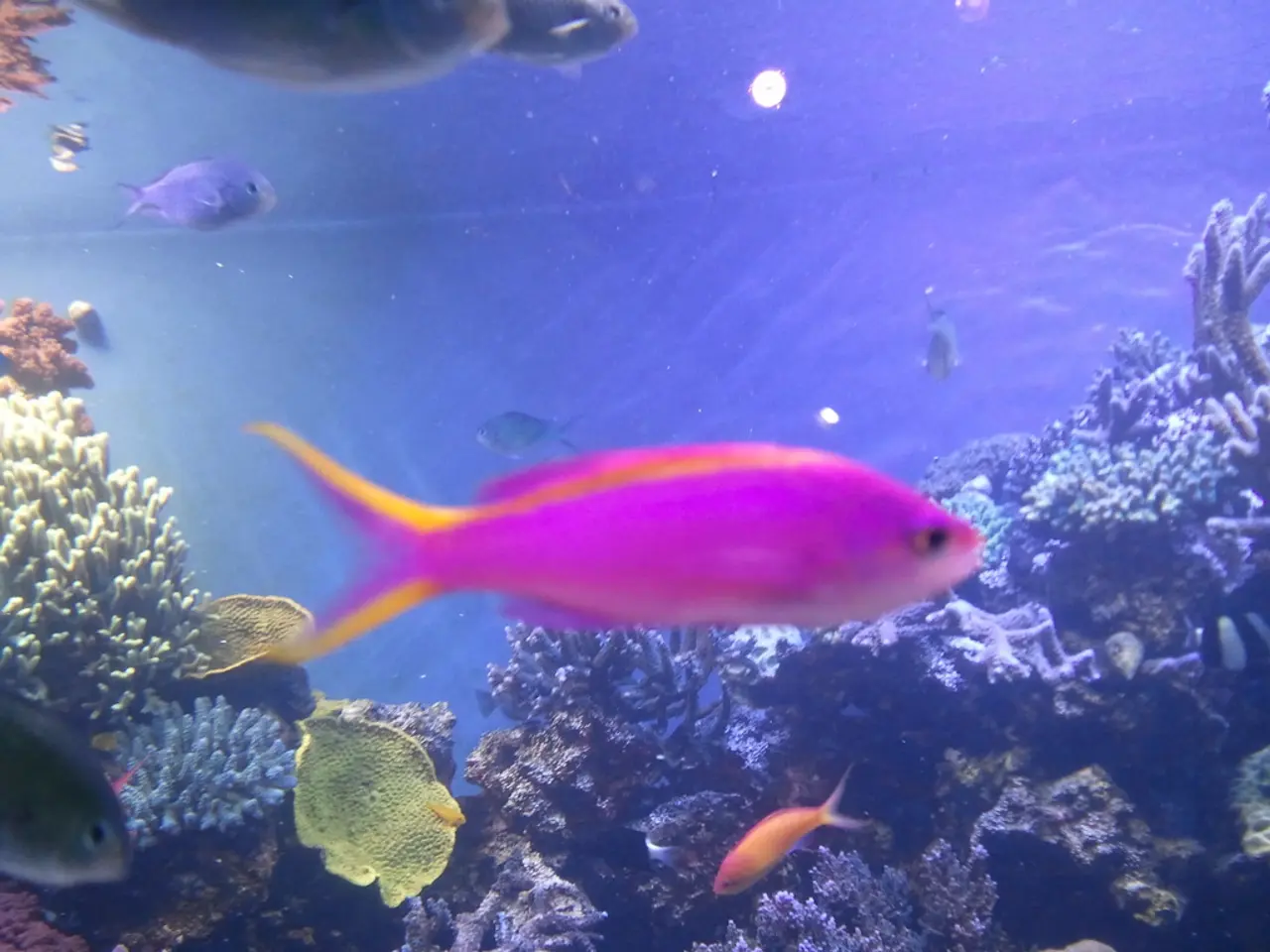
Protecting Coron's coral reefs and marine life is a priority for local communities and tourism operators. Educational programs are being developed to inform tourists about responsible tourism practices, ensuring the preservation of the island's underwater treasures for future generations.
### Community Involvement
Local communities are playing an increasingly significant role in tourism operations, fostering cultural preservation and empowerment. This involvement not only strengthens the bond between the community and visitors but also ensures the sustainable growth of the tourism industry.
### Economic Boost
Tourism significantly contributes to the local economy, generating revenue and creating employment opportunities. Although specific figures for Coron are not available, the overall tourism industry in the Philippines contributed 8.9% to the country's GDP in 2024.
### Job Creation
Sustainable tourism initiatives help create jobs in the tourism sector, supporting local livelihoods and economic growth. Nearly 40% of Coron's workforce is employed in the tourism and hospitality industry.
### Environmental Protection
Engaging local communities and tourism operators in conservation efforts helps protect ecosystems, including marine sanctuaries and natural parks. Regulated tourism practices are being implemented to reduce overdevelopment and pollution, preserving Coron's natural beauty while supporting long-term environmental health.
### Balancing Act
Despite the progress, challenges remain in finding a balance between tourism growth and environmental protection. However, the success of sustainable tourism in Coron presents opportunities for expanding eco-tourism initiatives and promoting similar practices across the Philippines.
### Uncertainties Ahead
The recent freeze of projects funded by the US Agency for International Development (USAID) has brought uncertainties for the Siete Pecados Marine Park and Coron Island. Park ranger Jose "Jojo" Mazo, who has been working at the Siete Pecados Marine Park since 2005, faces these challenges head-on, ensuring the park's strict rules against littering, fishing, and anchoring are enforced.
In the post-pandemic era, the revenue from entrance fees has allowed for the funding of mangrove restoration projects in Mazo's hometown and neighboring coastal towns. Since the marine park was established, about 27 boats have been bought from the collected fees.
Edith Ambay, a souvenir vendor on Boracay Island, a similar destination that has implemented sustainable tourism practices, shares the struggles faced by those in Coron. "Times are difficult, and money is tight," she says, highlighting the need for continued support and growth in sustainable tourism initiatives.
As Coron Island continues to attract visitors, the commitment to sustainable tourism practices will be crucial in preserving its natural beauty and ensuring a prosperous future for its local community.
- The eco-friendly resorts in Coron Island, harnessing solar power and implementing zero-waste kitchens, aim to promote clean energy, reduce carbon emissions, and contribute to a greener future for the island.
- Protecting Coron's coral reefs and marine life is a priority, with educational programs being developed to inform tourists about responsible tourism practices, thus preserving its underwater treasures for future generations.
- The commitment to sustainable tourism practices extends to local communities, who are playing an increasingly significant role in tourism operations, fostering cultural preservation, empowerment, and the sustainable growth of the tourism industry.
- Economically, tourism in Coron significantly contributes to the local economy, creating employment opportunities and contributing to the country's GDP, as shown in the Philippines' 2024 statistics.
- Job creation is another benefit of sustainable tourism initiatives, with nearly 40% of Coron's workforce employed in the tourism and hospitality industry.
- Engaging local communities and tourism operators in conservation efforts will help protect ecosystems, including marine sanctuaries and natural parks, while ensuring the regulation of tourism practices to reduce overdevelopment and pollution, preserving Coron's natural beauty for the long term.