
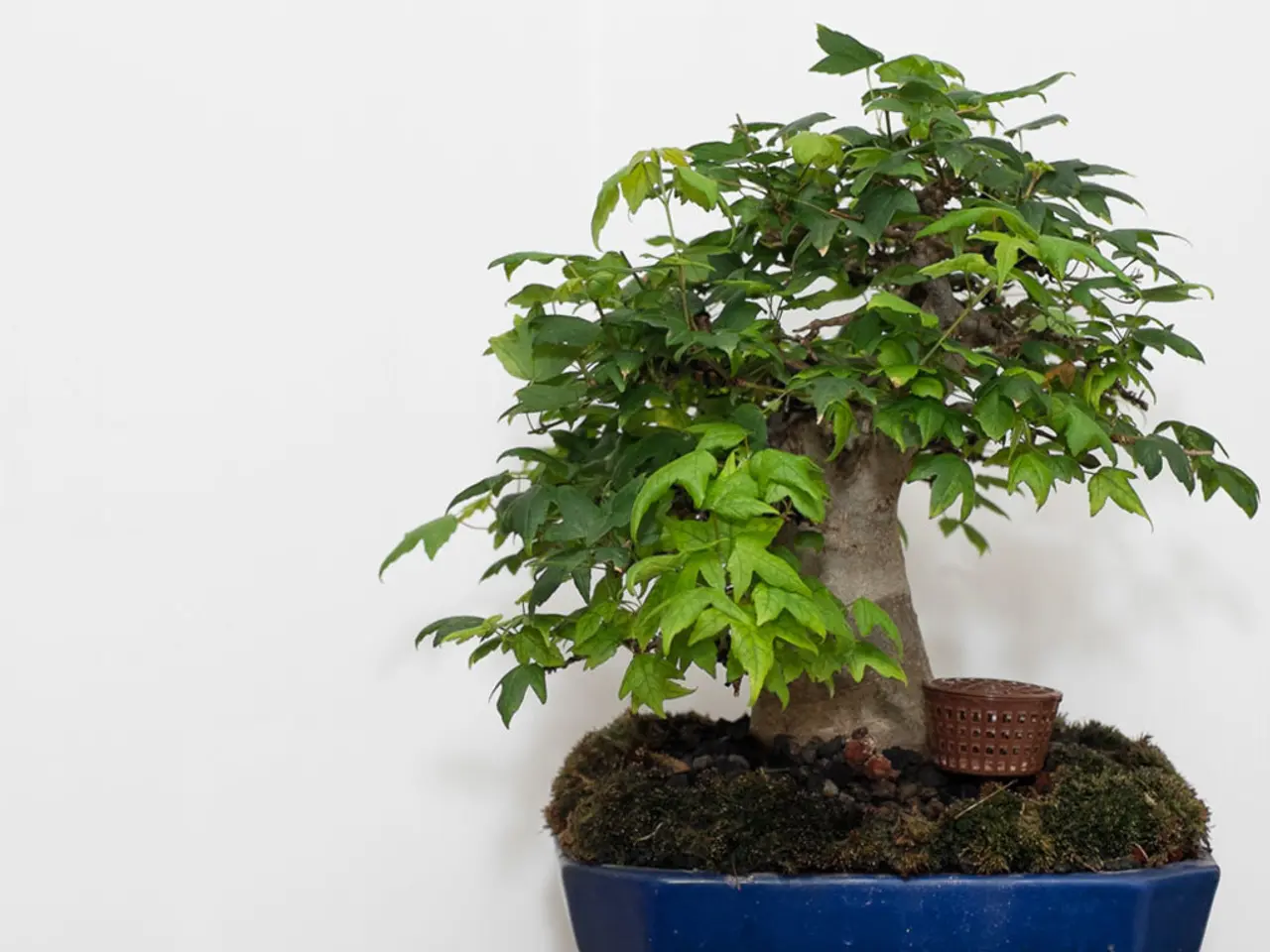
Maintaining Shohin Bonsai Tools: Nurturing Your Small Bonsai Accessories
In the delicate art of Shohin bonsai, the tools used are as essential as the trees themselves. Proper care and maintenance of these tools are crucial to ensure they remain in prime condition for shaping miniature masterpieces. Here are some expert tips to help you maintain your Shohin bonsai tools effectively.
Firstly, it's important to clean blades after each use. Wipe off sap, soil, and moisture to prevent rust and buildup, ensuring sharp and clean cuts every time. This simple step can significantly extend the lifespan of your tools and benefit the health of your bonsai tree.
Keeping tools sharp is another key aspect of their maintenance. Regularly sharpen your blades and scissors. Sharp tools make precise cuts that heal quickly, promoting the overall health of your bonsai tree.
When it comes to lubrication, use a small amount of oil on metal parts to protect from rust and corrosion, especially if storing tools long-term. It's essential to choose an oil with suitable viscosity, rust and corrosion protection, and compatibility with the materials used in Shohin bonsai tools. Apply oil gently, making sure it reaches all critical areas without excess residue.
Respecting your tools is also crucial. Treat them carefully, avoiding dropping or bending blades, which can damage precision. Handle tools with reverence, ensuring fingers are dry and free of oils that might compromise grip.
Proper storage is another vital factor in maintaining your Shohin bonsai tools. Keep tools in a dry place, ideally in a dedicated case or pouch to protect edges and avoid moisture accumulation. Store tools in dry, cool places away from direct sunlight and moisture. A soft, padded pouch or case can cushion them and prevent scratching or damage.
Organize tools in an organized layout to prevent tangling or overlapping. Drying each tool with a soft, lint-free cloth after cleaning prevents water spots and mineral deposits that can compromise their precision and functionality.
Sharpening Shohin bonsai tools requires careful stone selection, precise angle adjustments, and mindful stroking patterns. A stone with a flat, even surface is essential for maintaining consistent contact with the blade during sharpening. Sharpening small blades of Shohin bonsai tools requires the right stone, angle, and stropping process, with a medium-grit stone (around 1,000-2,000) often ideal for sharpening small blades.
Regular inspection of tools for signs of wear, such as a dulling edge or increased friction, and addressing issues promptly is also important. Prevent over-lubrication by applying a small amount of lubricant, using a light touch, and choosing a lubricant specifically designed for precision tools.
Removing rust and corrosion from Shohin bonsai tools requires gentle disassembly, a solution of equal parts water and white vinegar, and a soft-bristled toothbrush for scrubbing. Repairing Shohin tools at home can be done by identifying the issue, gathering necessary materials, disassembling with care, reassembling and testing, and addressing minor issues before they become major problems.
However, for intricate repairs or specialized sharpening, it's best to seek professional maintenance options. Entrust your tools to a skilled craftsman to save time and ensure precision and care.
Caring for your bonsai tools is akin to caring for the hands that shape the tree; clean blades, sharp cuts, and a little oil go a long way in preserving their functionality and extending their lifespan. With these expert tips, you can ensure your Shohin bonsai tools remain in top condition, enabling you to create and maintain beautiful, miniature masterpieces.
- In addition to caring for your Shohin bonsai tree, maintaining your tools is crucial for creating miniature masterpieces.
- Cleaning your Shohin bonsai tools after each use extends their lifespan and benefits the health of your tree.
- Sharpening tools regularly promotes precision cuts that heal quickly, resulting in a healthier bonsai tree.
- Proper lubrication with the right oil helps prevent rust and corrosion, ensuring the longevity of your tools.
- Keeping tools dry, organized, and protected from moisture helps maintain their precision and functionality.
- Regular inspection of tools for signs of wear, gentle disassembly for cleaning, and prompt attention to issues can help extend the life of your Shohin bonsai tools. For intricate repairs, consider seeking professional maintenance options.