
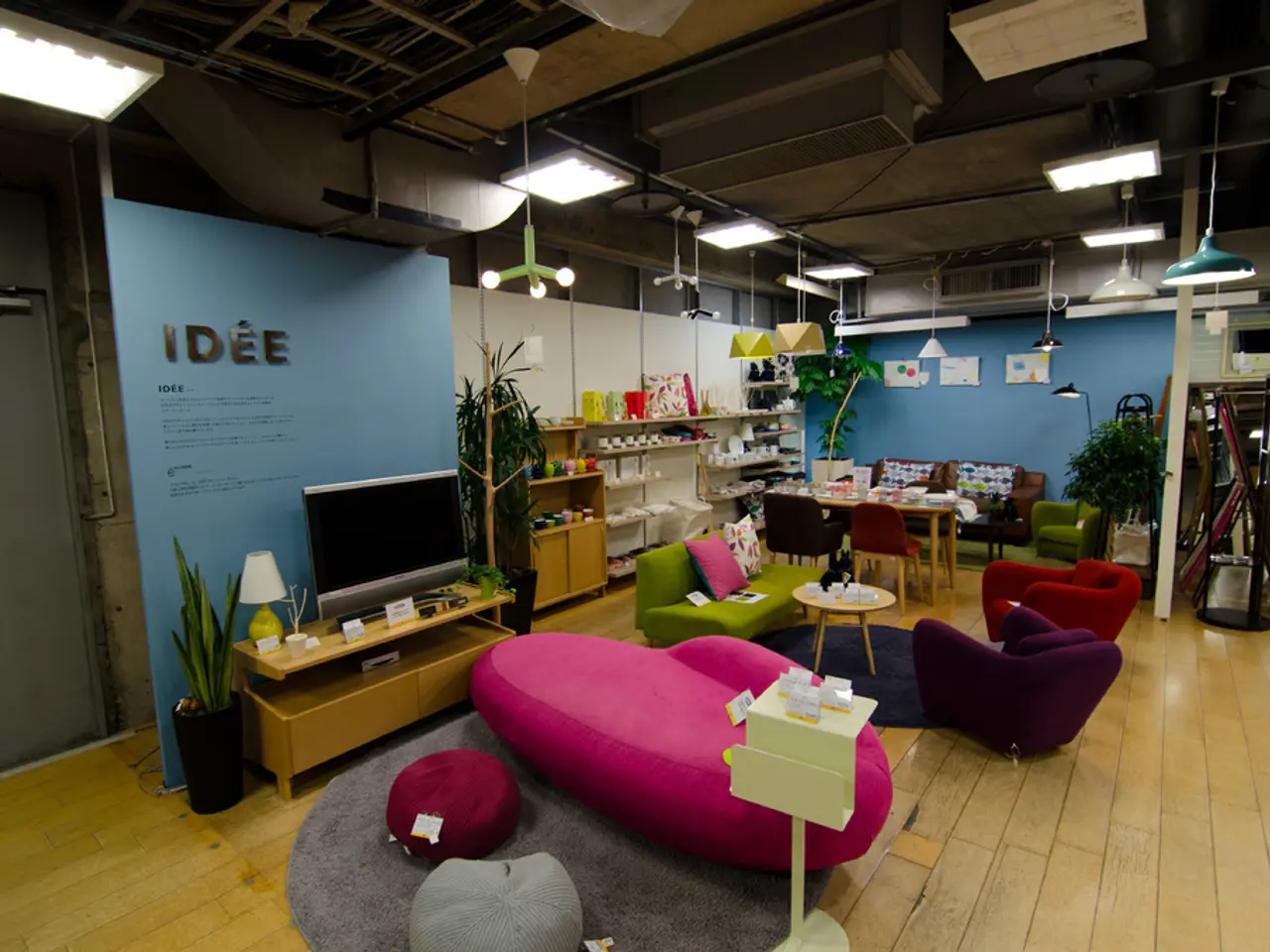
Uncovering Your Ideal Climate Control Solution: A Blueprint for Peak Comfort in Your Home or Office
In the realm of commercial spaces, selecting the ideal HVAC system is a crucial decision that balances upfront investment with energy efficiency, customization to space and climate needs, and ensuring a maintenance-friendly design supported by modern automation and predictive tools.
### Energy Efficiency: The Key to Long-term Savings
Energy efficiency is a vital consideration when investing in an HVAC system. High-efficiency systems, as indicated by system efficiency ratings such as SEER (Seasonal Energy Efficiency Ratio) or COP (Coefficient of Performance), can provide significant savings on energy bills and reduce carbon footprint. Integration with building automation systems (BAS) enables real-time management of HVAC operation according to occupancy, temperature fluctuations, and external weather, optimizing energy use and reducing waste.
### System Type: Traditional vs. Modern Solutions
The choice between traditional HVAC units and newer technologies like VRF (Variable Refrigerant Flow) systems depends on the size and layout of the commercial space, the number of climate zones needed, and specific environmental conditions and demands. VRF systems allow multi-zone management with refrigerant flow adjusted dynamically for each zone, improving comfort and efficiency but require precise load calculations and careful refrigerant piping design. Conventional systems might suffice for smaller or simpler setups but may lack the flexibility and efficiency of VRF or other modern solutions.
### Maintenance Considerations: Key to System Longevity and Performance
Regular and proactive maintenance is key to system longevity and performance. A comprehensive checklist should include inspections of filters, fans, motors, coils, compressors, and other components. Employing predictive maintenance technology (sensors measuring vibration, temperature, pressure changes) helps identify potential failures before they occur, minimizing downtime and costly repairs. Designing the system for easy access and serviceability, with outdoor units placed for adequate airflow and clearance, supports straightforward maintenance workflows.
### Additional Factors: Compliance, Installation, and Budget
Compliance with local building codes and environmental regulations, consideration of installation environment, including weather patterns, is important for placing outdoor units. Budget constraints balanced against expected energy savings and maintenance costs are essential considerations.
In summary, selecting the ideal commercial HVAC system involves balancing upfront investment with energy efficiency, customization to space and climate needs, and ensuring a maintenance-friendly design supported by modern automation and predictive tools. VRF systems combined with building automation currently represent a leading edge in efficient, flexible commercial HVAC solutions, especially for multi-zone buildings. Establishing a reliable maintenance schedule with a professional HVAC provider is crucial for catching minor issues before they become costly problems. Regular maintenance of HVAC systems is essential to extend their lifespan, optimize energy use, and ensure superior air quality.
- In the fashion-and-beauty, lifestyle, media, and events sectors, showcasing events and photoshoots require HVAC systems that maintain ideal temperatures for comfort and optimal air quality, ensuring the beauty of models and the aesthetics of fashion shoots are preserved.
- Food-and-drink establishments, specifically high-end restaurants and bars, seek HVAC systems that not only ensure a comfortable dining environment but also preserve the unique flavors of dishes and drinks, as temperature and humidity levels play an essential role in the presentation of food and beverages.
- Home-and-garden magazines, blogs, and television shows rely on HVAC systems that provide energy-efficient solutions and environmental control for a variety of settings, whether it's a contemporary urban loft, a rustic countryside cottage, or a spacious garden retreat.
- The automotive industry and car enthusiasts may find appeal in HVAC systems that cater to customization, not only for their vehicles but also for specialized climate-controlled showrooms and workshops, ensuring the vehicles remain in pristine condition.
- The travel industry and tourists often look for accommodation with energy-efficient HVAC systems, as it contributes to reducing carbon footprint and helps maintain a comfortable environment for guests in various climate zones worldwide.
- For those who find luxury in unique retail experiences, shopping centers and boutiques with energy-efficient HVAC systems that maintain a comfortable and desirable shopping environment while adhering to modern standards of sustainability can enhance the overall shopping experience.